MEMOIRS OF A FEEBLE CABBAGE a life in malaria research and other adventures
When Geoff Butcher spent two years in Nigeria, teaching science in Lagos, he was moved by the people, and especially children that he encountered, who were suffering from the effects of malaria. This inspired him to change career in order to combat this serious and prevalent disease. He has since spent forty years at the laboratory bench with the ultimate aim of developing a vaccine.
His research took him to various institutions in London, as well as to Canberra in Australia, and finally to Imperial College, London. He has also worked tirelessly to educate the public, including travellers and expats, and students of all ages, about the disease and its effects.
This light-hearted book traces not only the developments in the fight against malaria, but the life of a scientist who is dedicated to family and driven by his faith.
In this YouTube video, Geoff explains a bit about his work, and how it came about. Click on the picture, to watch it on YouTube.

This is a gem of a book, which is the autobiography of Dr Geoff Butcher. The style throughout is one of thoughtful modesty. The first chapter describes his early life, growing up in a working class family, during the second World War and in the early years of the Welfare state. Growing up in the limited conditions for working class families in the 40’s and 50’s was very character building. There was no silver spoon for Geoff as a boy.
A theme running through the book is the importance of education, particularly opportunities for pupils from ordinary backgrounds. An important step in Geoff’s career was winning a scholarship to Emanuel School, London, via the 11+ exam. After university in London and a postgraduate certificate of education at Bristol, Geoff taught as a science teacher at Lagos Boys School from 1963-65. Throughout his life Geoff has been committed to informing people about science.
Particularly fascinating are the descriptions of his daily life in Nigeria. For example, Geoff describes how he and his friends went on night trips with an American Missionary to collect snakes for the latter’s collection of poisonous snakes. Not the actions of a “feeble cabbage” surely? But the title of the book, based on an ill advised comment by one of the masters at Emanuel school when Geoff informed him that he did not want to join the school cadet force, is clearly meant to be tongue in cheek.
Two main consequences of his 2 years teaching in Lagos were Geoff’s realisation that the teaching career was not for him and even more important the motivation, stimulated by his observation of child malaria, to devote the rest of his career to the study of malaria.
On his return to England in 1965, Geoff was appointed to a research assistantship at Guy’s and UCL. The main theme of the book is devoted to a description of his work on the development of an antibody/vaccine against malaria. This was – and is – incredibly difficult as it required the development of a vaccine against a parasitic organism in humans, rather than a virus or bacterium. 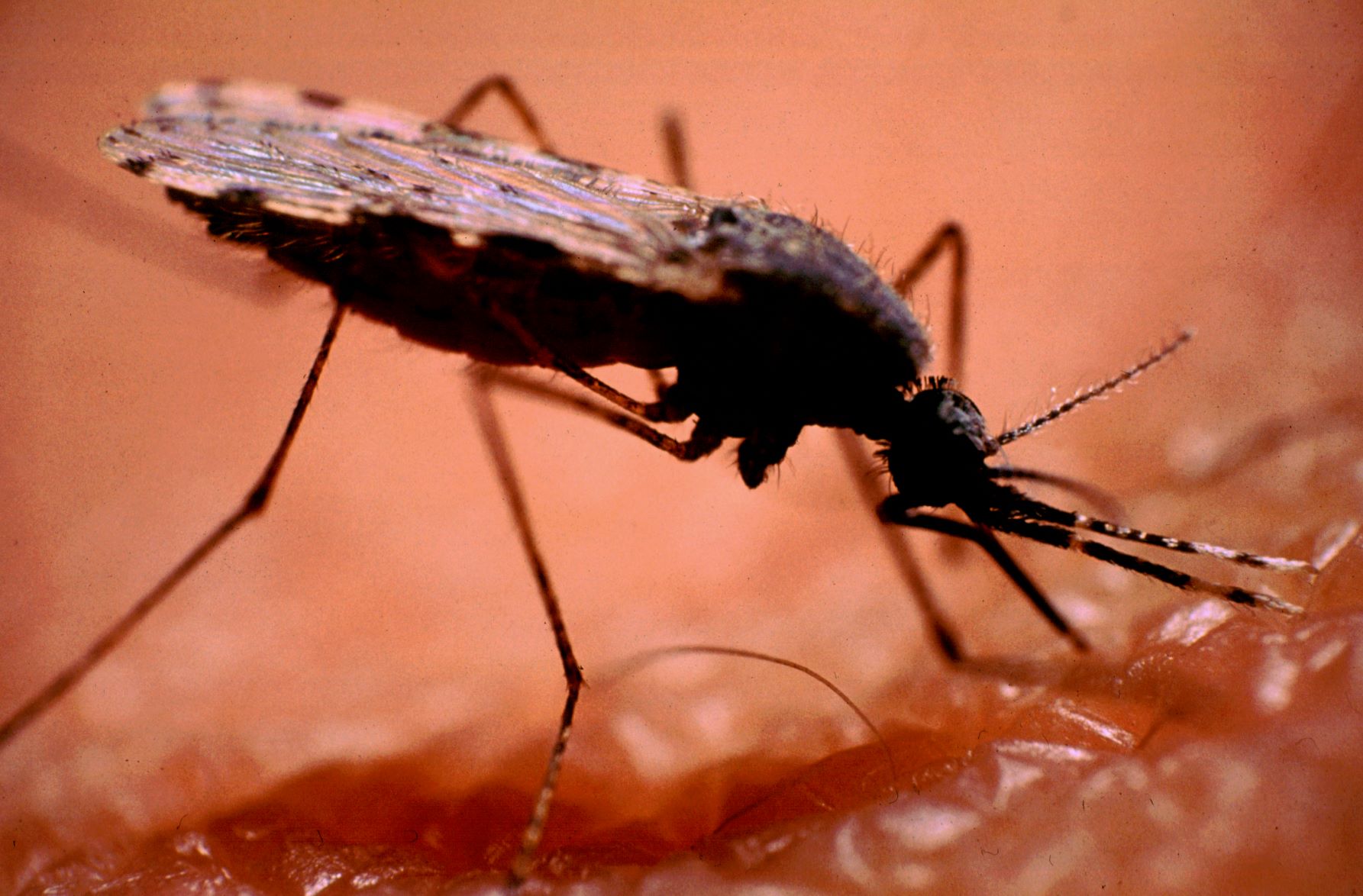 These latter are simpler and carry fewer genes than the parasite. To focus the discussion, Geoff gives a good description of the stages in the malarial cycle from mosquito bite to development of fever, via infection of the liver. Once again Geoff had to exhibit dedication and ingenuity to overcome some of the challenges he faced. One example of the latter is using bags of sugar and fruit, calibrated to the nearest 20g to weigh the monkeys used in his research so that he could give them the correct doses of parasite. This was due to no proper scales being available at the start of his project.
Throughout the book one is entertained by Geoff’s humourous, slightly anarchic style as he muses on the reality gap between what officialdom says should happen and what actually takes place. His stay at Porton Down provides several examples particularly in the area of Health and Safety. Further aspects of Geoff’s personality are demonstrated in his and his wife Sue taking on fostering of children and in the fortitude and philosophical way in which Geoff deals with the limitations enforced on him by his increasing Parkinson’s disease. There is no doubt that Geoff’s deep religious faith has helped him deal with the many challenges in his life. I would recommend anyone who is interested in learning about the trials and tribulations facing research scientists to read this book. Far from being a feeble cabbage Geoff comes across as a tower of strength.
Review by Peter Vaughan, Retired Reader in Neurochemistry
